

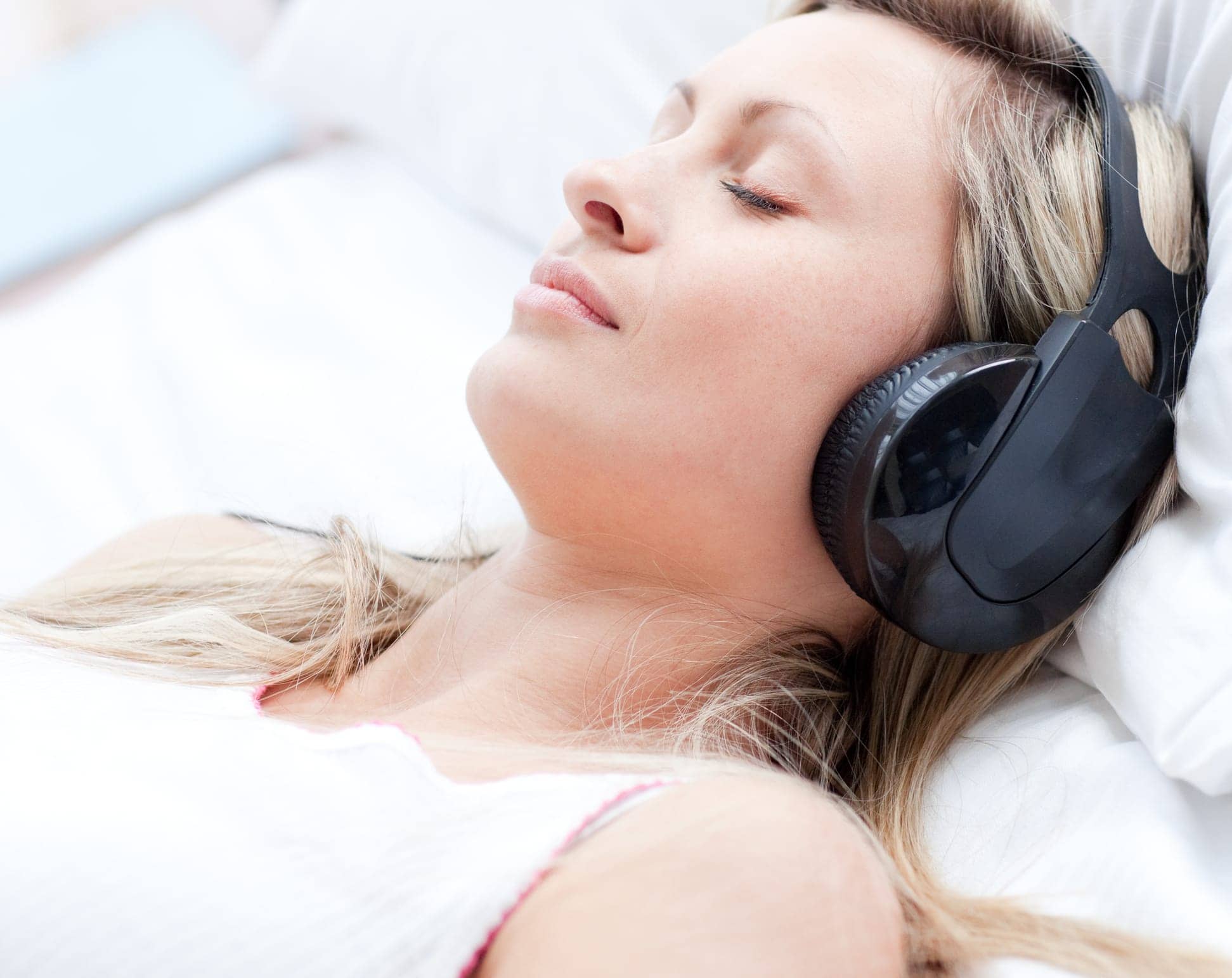
In our fast paced modern world achieving a night of restorative sleep has become increasingly difficult. Millions of people struggle with racing thoughts, physical tension, and sleep disruptions that leave them exhausted the following day. While conventional advice often centers around adjusting room temperature, reducing screen time, or consuming herbal teas, an increasingly popular and scientifically supported intervention is transforming nighttime routines. Sound therapy, an ancient practice modernized through neuroscience, utilizes specific auditory frequencies to alter brain activity, reduce stress, and guide the body into the deepest stages of rest.
Far from being a simple distraction from background noise, sound therapy actively communicates with the nervous system. By introducing organized, soothing acoustic patterns, this practice encourages the brain to slow down its electrical impulses, shifting away from the chaotic states of daytime alertness and toward the structured, rhythmic patterns required for profound physical recovery. Understanding how this sensory intervention influences the mind provides a powerful tool for anyone seeking to overcome chronic fatigue and optimize their sleep architecture.
Understanding the Neuroscience of Sound and Sleep
To understand why sound therapy works so effectively, it is essential to explore how the human brain processes sound during rest. The brain never truly shuts off, even when a person is deeply asleep. The auditory cortex remains highly vigilant, constantly scanning the environment for potential threats or changes. When sudden or erratic noises occur, such as a car alarm or a creaking floorboard, the brain perceives this as danger, triggering an immediate spike in cortisol and awakening the individual.
Sound therapy alters this dynamic through a process known as brainwave entrainment. The human brain communicates through electrical impulses that operate at distinct frequencies, measured in Hertz. When the brain is exposed to a continuous, rhythmic auditory stimulus, its internal electrical patterns naturally synchronize with the external frequency.
-
Beta Waves (12 to 30 Hz): Associated with active thinking, problem solving, and high stress levels.
-
Alpha Waves (8 to 12 Hz): Representing a relaxed but alert state, often achieved during light meditation.
-
Theta Waves (4 to 8 Hz): Indicating deep relaxation, daydreaming, and the initial stages of sleep.
-
Delta Waves (0.5 to 4 Hz): The definitive frequency of deep, slow wave sleep, during which the body repairs tissue and consolidates long term memories.
By utilizing soundscapes designed to target the Theta and Delta ranges, sound therapy gently coaxes the hyperactive brain out of stressful Beta states and drags it downward into the ideal zones for restorative rest.
The Different Types of Sound Therapy for Sleep
Not all sounds affect the human mind in the exact same manner. Sound therapy encompasses a diverse range of acoustic textures and frequencies, each offering unique benefits for sleep optimization.
Colored Noise Profiles
Most people are familiar with white noise, which contains all audible frequencies distributed equally across the sound spectrum. While white noise is highly effective at masking harsh ambient disruptions, other color profiles are often better suited for inducing deep sleep. Pink noise features deeper, richer sounds because the lower frequencies are amplified while the higher ones are muted. It mimics natural occurrences like steady rain or rustling leaves, which studies suggest can enhance slow wave brain activity. Brown noise lowers the high frequencies even further, producing a deep, low rumble similar to a distant waterfall or heavy thunder, which many find incredibly comforting for settling a racing mind.
Binaural Beats
Binaural beats are an auditory illusion created by presenting two slightly different frequencies to each ear simultaneously. For instance, if a frequency of 200 Hz is played in the left ear and 204 Hz is played in the right ear, the brain processes the difference between the two, perceiving a third tone that pulsates at exactly 4 Hz. Because this process requires the integration of both hemispheres of the brain, it highly encourages rapid entrainment into the targeted Delta sleep state. To experience the effects of binaural beats, the use of stereo headphones or properly positioned bedside speakers is mandatory.
Autonomous Sensory Meridian Response
Commonly referred to as ASMR, this method involves specific auditory triggers such as gentle whispering, crisp tapping sounds, or the slow crinkling of paper. For individuals sensitive to these triggers, ASMR stimulates the release of oxytocin and endorphins while lowering the heart rate. The resulting sensation of deep comfort and physical relaxation acts as an excellent precursor to falling asleep quickly.
Acoustic Sound Healing Instruments
For a more organic approach, traditional acoustic instruments remain highly popular. Instruments such as crystal singing bowls, gongs, and Tibetan chimes produce complex, resonant overtones. These rich harmonic structures create an immersive environment that encourages mindfulness, reduces muscular tension, and helps individuals let go of emotional stress before closing their eyes.
Major Health and Sleep Benefits of Sound Therapy
Implementing sound therapy into a nightly routine provides a broad spectrum of physiological and psychological benefits that extend far beyond simply falling asleep faster.
Promotes Deeper Slow Wave Sleep
The absolute pinnacle of sleep quality is slow wave Delta sleep. This is the exact window when the endocrine system releases human growth hormone, muscles repair themselves, inflammation decreases, and the brain flushes out cellular waste products. By continuously reinforcing Delta brainwaves, sound therapy assists the body in staying within this highly regenerative stage for longer durations, ensuring you wake up feeling genuinely refreshed.
Calms the Sympathetic Nervous System
Chronic daily stress keeps the body stuck in a state of sympathetic dominance, otherwise known as the fight or flight response. This state features elevated blood pressure, shallow breathing, and a high heart rate, all of which are entirely incompatible with sleep. Sound therapy shifts the body into parasympathetic dominance, activating the rest and digest system. As a result, heart rate variability improves, respiration slows down, and physical tension dissolves.
Silences Persistent Racing Thoughts
For many, the hardest part of bedtime is the sudden influx of anxiety and mental chatter regarding the obligations of the following day. The structured yet non intrusive nature of sound therapy provides the mind with a gentle anchor. By focusing on the shifting frequencies or steady noise, the cognitive loop of worrying is interrupted, allowing the mental faculties to quiet down naturally.
Tips for Creating the Ideal Sleep Sound Environment
To maximize the efficacy of sound therapy, consistency and proper environmental setup are crucial.
-
Select the Correct Delivery System: Determine whether headphones or external speakers work best for your comfort. If you choose headphones, opt for soft, flat headbands specifically designed for side sleepers to avoid ear pain.
-
Maintain Safe Volume Levels: The objective of sound therapy is gentle persuasion, not auditory overload. Keep the volume at a low, ambient level, ideally below 50 decibels, so that it sits comfortably in the background of your consciousness.
-
Utilize Sleep Timers: Many dedicated audio applications allow you to set a timer. Configuring the sound to play for 60 to 90 minutes ensures you are supported through the transition into deep sleep, after which the audio gently fades out to allow for natural silence during the later parts of the night.
Frequently Asked Questions
Can you become dependent on sound therapy to fall asleep?
Sound therapy is a non pharmacological tool that helps train the nervous system to relax. While you may develop a strong habit and preference for using sound to sleep, it does not create a biochemical dependency like sleep medications do. If you choose to sleep in silence later on, your body will still retain the natural capacity to fall asleep.
Is it safe to play sound therapy tracks all night long?
Yes, it is generally safe provided the volume is kept at a moderate, comfortable level that does not damage your hearing over time. However, many sleep experts recommend utilizing a fade out timer so that your brain can experience natural periods of absolute silence during the early morning hours when REM sleep dominates.
Can sound therapy help individuals suffering from severe clinical insomnia?
While sound therapy is an excellent tool for managing stress induced sleeplessness and mild sleep disruptions, severe clinical insomnia often stems from deep rooted medical or psychological causes. Sound therapy can be used as a highly effective supportive asset alongside evidence based protocols like Cognitive Behavioral Therapy for Insomnia.
Do children and infants benefit from sound therapy in the same way adults do?
Infants and children respond incredibly well to sound therapy, particularly white and pink noise, because it mimics the continuous, rhythmic auditory environment of the womb. It helps soothe their developing nervous systems and masks sudden household noises, promoting longer and more stable sleep periods.
What makes pink noise different from traditional white noise?
White noise contains all frequencies across the human hearing spectrum at equal energy levels, which can sometimes sound harsh or high pitched, like television static. Pink noise carries deeper energy at lower frequencies and less energy at higher frequencies, creating a much softer, deeper sound that resembles natural rain or wind.
How long does it take to see noticeable improvements in sleep quality?
Many individuals experience immediate relief from racing thoughts and fall asleep faster on the very first night of using sound therapy. However, the structural benefits, such as spending prolonged periods in deep slow wave sleep, typically accumulate over two to three weeks of consistent nightly use as the brain becomes fully conditioned to entrain with the frequencies.
Can I practice sound therapy if I suffer from chronic tinnitus?
Sound therapy is highly beneficial for individuals with tinnitus. The continuous, soothing frequencies of pink, brown, or white noise help mask the internal ringing or buzzing sensations associated with tinnitus. This drastically reduces the frustration and distress caused by the condition, making it significantly easier to relax and transition into deep sleep.