Cancer Screening For Adults Who Avoid Testing Because They Fear Bad News
Many adults delay cancer screening because they are afraid of what the results might show. This fear is understandable. Nobody wants to hear bad news, especially when they feel well and have no symptoms. However, avoiding a test does not make the risk disappear. It only delays the chance to understand what is happening in the body.
Cancer screening in Singapore is an important part of preventive health care. It helps doctors look for early signs of cancer before symptoms appear. When cancer is found early, treatment may be simpler, less stressful, and more effective. In some cases, screening can also find changes before they become cancer.
For adults who feel nervous, the goal is not to force a scary decision. The goal is to make screening feel clearer, more manageable, and less overwhelming.
Why Fear Stops Many Adults From Getting Tested
Fear Of A Positive Result
One of the biggest reasons people avoid screening is the fear of finding out something serious. Some adults think, “If I do not test, I do not have to face it.” This is a very human reaction.
However, cancer screening does not mean a person has cancer. It is a way to check for possible warning signs. A normal result can bring peace of mind. An abnormal result does not always mean cancer either. It may simply mean more tests are needed to understand the result properly.
Fear Of Pain Or Discomfort
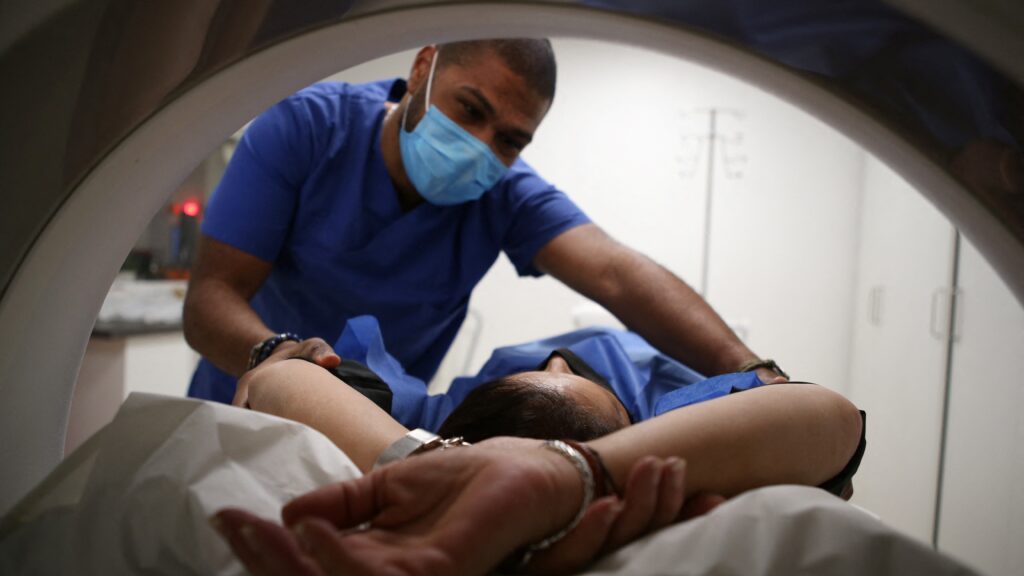
Some people worry that cancer screening will be painful. The truth is that different screening tests feel different. Some involve a stool test, blood test, scan, or physical examination. Many are quick and manageable.
If pain, needles, or anxiety are a concern, patients should tell the doctor before the test. A good clinic team can explain what to expect and help make the process less stressful.
Fear Of Losing Control
Testing can feel scary because it makes health feel uncertain. But in reality, screening gives a person more control, not less. It gives useful information that can guide the next step.
Without screening, a person may only find out when symptoms become more obvious. By then, the condition may be harder to treat. Screening gives adults the chance to act earlier.
What Cancer Screening Actually Means
It Is A Check, Not A Diagnosis
Cancer screening is used to look for signs that may need further review. It is not the same as a confirmed cancer diagnosis. If something unusual appears, the doctor may recommend further tests, imaging, or referral to a specialist.
This is why it is important to review results with a doctor. Test results need proper explanation. A result should not be guessed at or searched online without medical guidance, as this can create more anxiety.
It Can Be Based On Age, Risk, And Family History
Not every adult needs the same screening test. The right screening depends on several factors, such as:
- Age
- Sex
- Personal health history
- Family history of cancer
- Smoking history
- Lifestyle factors
- Existing medical conditions
For example, adults with a strong family history of certain cancers may need to begin screening earlier. Others may follow routine age-based screening recommendations.
This is why a discussion with a doctor is helpful before choosing a test.
Why Early Detection Matters
Early Cancer May Have No Symptoms
One reason cancer screening is important is that early cancer may not cause pain, lumps, bleeding, or obvious changes. A person may feel healthy while early changes are already starting.
Waiting for symptoms can mean waiting too long. Screening helps look for concerns before they become harder to manage.
Treatment May Be Easier When Found Early
When cancer is detected early, there may be more treatment options. Some early cancers can be treated with less aggressive methods compared with advanced cancer. Recovery may also be smoother, depending on the cancer type and overall health.
This does not mean every screening test will prevent cancer. It means screening can support better timing, better planning, and earlier medical care.
How To Make Screening Feel Less Scary
Start With A Conversation
For many people, the hardest part is not the test. It is booking the appointment. A simple first step is to speak with a doctor and say honestly, “I am worried about screening.”
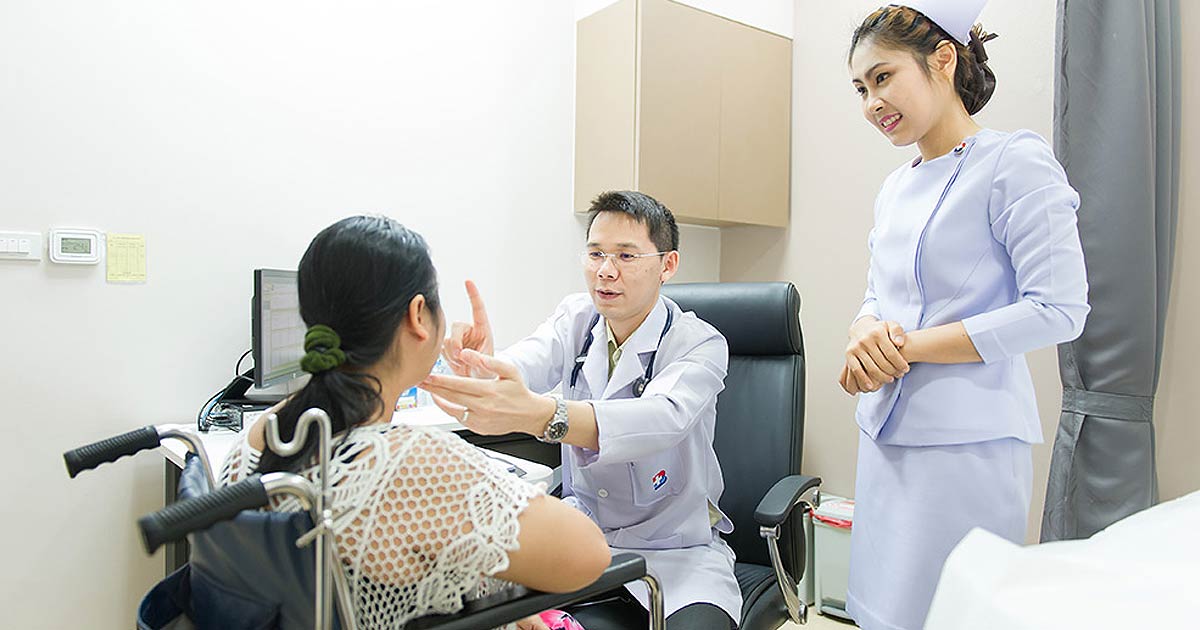
The doctor can explain which tests are suitable, what the test can and cannot detect, and what happens after the result. This can reduce the fear of the unknown.
Do Not Do Every Test At Once Without Guidance
Some adults feel they need to do every available test to be safe. Others avoid everything because the choices feel confusing. Both reactions are common.
A better approach is to choose screening based on actual risk. More tests are not always better. Some tests can lead to false positives, which may cause unnecessary worry. A doctor can help decide what is useful and what is not needed.
Bring Someone You Trust
If anxiety is high, it may help to bring a spouse, sibling, adult child, or close friend. Having someone present can make the visit feel less lonely. They can also help remember the doctor’s advice after the appointment.
Understanding Blood-Based Cancer Screening
A Simple Blood Draw May Be An Option
Some newer cancer screening options use a blood sample to look for cancer-related signals. These tests are sometimes called multi-cancer early detection tests. They are not replacements for all standard screening tests, but they may be considered for selected adults based on age, risk factors, and doctor advice.
For people comparing Cancer screening in Singapore, it is important to understand that no test is perfect. A blood-based test may be convenient, but the result still needs to be reviewed carefully with a doctor.
Love & Joy Family Clinic offers LucenceINSIGHT™ Multi-Cancer Early Detection testing, which uses a single blood draw and includes options that screen for different numbers of cancer types, depending on the selected panel.
What Happens If The Result Is Abnormal
An Abnormal Result Is Not The Final Answer
Many adults fear that an abnormal result means their life changes immediately. In reality, an abnormal screening result usually means more investigation is needed.
The doctor may suggest a repeat test, imaging, specialist referral, or closer monitoring. The next step depends on the type of screening, the result, and the person’s health profile.
Medical Guidance Helps Reduce Panic
This is why follow-up matters. A doctor can explain whether the result is urgent, what the possible causes are, and what should be done next. Having a clear plan can make the situation feel less frightening.
Avoiding follow-up after an abnormal result can create more uncertainty. Facing the next step early gives the best chance of getting the right care.
Taking The First Step Without Feeling Overwhelmed
Cancer screening does not need to be approached with panic. It can be handled step by step. The first step may simply be asking which screening tests are suitable. The next step may be choosing one test that matches age, risk, and comfort level.
Fear is real, but it should not be the reason a person misses the chance for early detection. Cancer screening in Singapore gives adults a practical way to understand their health better, even when the topic feels difficult.
For adults who avoid testing because they fear bad news, it may help to see screening differently. It is not about expecting the worst. It is about giving yourself more time, more clarity, and more control over your health.