

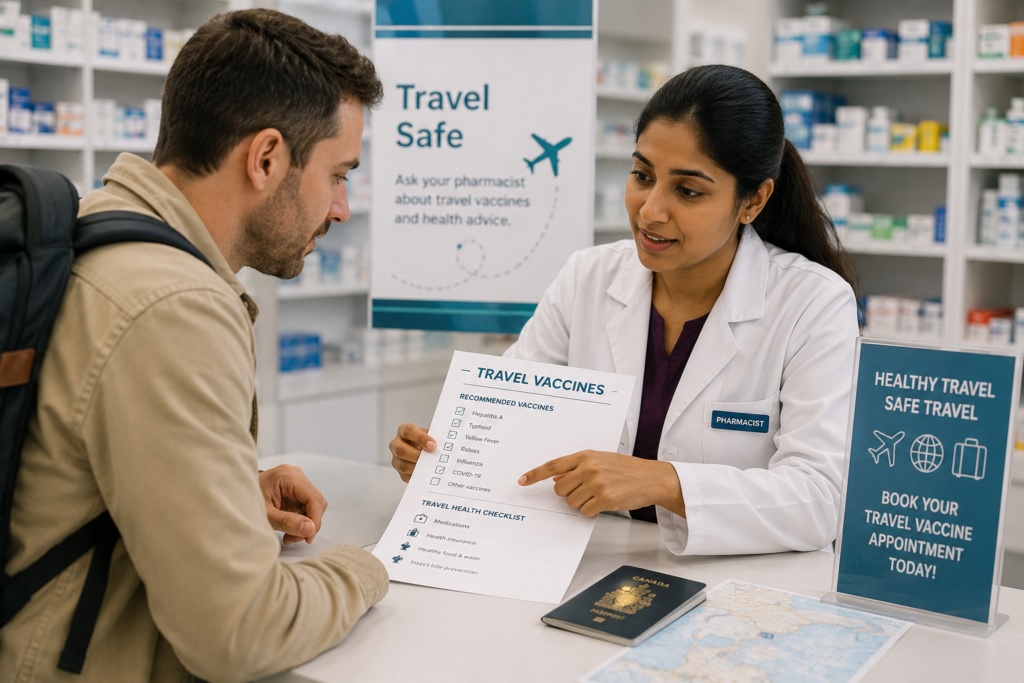
Planning an overseas trip involves more than booking flights and packing your luggage. Depending on your destination, you may need vaccinations to protect yourself against infectious diseases that are uncommon in Singapore but more prevalent elsewhere. Some countries also require proof of vaccination as a condition of entry.
Knowing when to receive travel vaccinations is just as important as knowing which ones you need. Since some vaccines take time to provide optimal protection and others require multiple doses, planning ahead can help ensure you’re fully prepared before you depart.
Why Timing Matters
Vaccines work by stimulating your immune system to build protection against specific diseases. However, immunity does not develop immediately after vaccination.
Many vaccines require at least one to two weeks before they provide adequate protection. Certain vaccines are administered as a series over several weeks or months, making early planning essential for travellers with more complex itineraries.
Receiving vaccines for travel too close to your departure date may reduce the time available for your body to develop a strong immune response before potential exposure.
The Recommended Timeframe Before Travel
As a general guideline, healthcare providers recommend scheduling a travel health consultation at least four to six weeks before your departure. This timeframe allows sufficient time to:
- Review your travel itinerary
- Assess your medical history
- Determine which vaccines are recommended or required
- Complete multi-dose vaccine schedules if needed
- Manage any potential side effects before travelling
Even if your departure date is sooner, it is still worthwhile to seek medical advice. Some protection is often better than none, and certain vaccines can still provide meaningful benefits even when administered closer to travel.
Factors That Influence Which Vaccines You Need
Not every traveller requires the same vaccinations. Your healthcare provider will consider several factors, including:
Your Destination
Different countries carry different health risks. For example, travellers visiting tropical or developing regions may require protection against diseases that are uncommon in Singapore. Some destinations also have specific vaccination requirements for entry.
Length of Stay
Longer trips generally increase the likelihood of exposure to infectious diseases. Travellers spending extended periods overseas, particularly in rural areas, may require additional preventive measures compared to those taking short city breaks.
Planned Activities
Adventure travel, trekking, camping, volunteer work, animal contact, or visiting remote communities may increase exposure to certain infections. Your planned activities help determine which travel vaccines are appropriate for your itinerary.
Your Age and Medical History
Infants, older adults, pregnant women, and individuals with chronic medical conditions or weakened immune systems may require additional assessment before vaccination. Your healthcare provider will review your existing vaccination records and recommend vaccines that are suitable for your individual circumstances.
Common Vaccines Recommended for International Travel
The vaccines recommended vary according to destination and personal risk factors. Common travel-related vaccinations may include:
- Hepatitis A
- Hepatitis B
- Typhoid
- Yellow fever
- Japanese encephalitis
- Rabies
- Meningococcal disease
- Influenza
- COVID-19
Your doctor may also recommend ensuring your routine vaccinations, such as tetanus, measles, mumps, and rubella (MMR), are up to date before travelling.
Are Travel Vaccines Required for Entry?
Some countries require proof of vaccination before allowing entry.
For example, travellers entering certain regions may need an International Certificate of Vaccination or Prophylaxis (ICVP), commonly referred to as the “Yellow Card,” documenting vaccination against diseases such as yellow fever.
Entry requirements can change over time, so it is advisable to check official government travel advisories and consult your healthcare provider well before your departure date.
Preparing for Your Travel Health Consultation
To make the most of your appointment, bring information about your trip, including:
- Countries you plan to visit
- Travel dates
- Planned activities
- Accommodation type
- Existing medical conditions
- Current medications
- Previous vaccination records
Providing complete information allows your healthcare provider to recommend the most appropriate travel vaccines and preventive measures.
Vaccination Is Only One Part of Travel Health
Vaccination helps reduce the risk of many infectious diseases, but it should be combined with other preventive practices. These include:
- Frequent hand hygiene
- Safe food and drinking water choices
- Insect bite prevention
- Sun protection
- Safe sexual practices
- Carrying sufficient prescription medications
- Purchasing comprehensive travel insurance
A comprehensive travel health plan addresses multiple aspects of staying healthy while abroad.
Conclusion
One of the most common mistakes travellers make is waiting until just a few days before departure to seek medical advice.
Scheduling your appointment early provides more flexibility, allows enough time to complete recommended vaccinations, and gives you the opportunity to discuss destination-specific health risks with a healthcare professional.
If you’re planning an international trip, speak with your healthcare provider about travel vaccines as early as possible. Receiving the appropriate vaccinations at the right time, together with practical travel health precautions, can help you enjoy a safer, healthier, and more confident journey wherever your travels take you.