How Yin Yoga Targets the Parasympathetic Nervous System to Reverse Chronic Stress Damage
Modern life in Singapore runs fast. Back-to-back meetings, long commutes, screen fatigue, and the constant pressure to perform have quietly created a population operating in near-permanent stress mode. Most people are aware they are burnt out, but few understand what is actually happening inside their bodies, and fewer still know what can genuinely reverse the damage. This is where the science behind yin yoga becomes not just interesting, but clinically significant. Unlike high-intensity movement practices, yin yoga works directly on the autonomic nervous system, specifically the parasympathetic branch, to interrupt the cycle of chronic stress at a physiological level.
What the Autonomic Nervous System Actually Does
The autonomic nervous system governs every function your body runs without conscious thought, your heart rate, digestion, immune response, hormone secretion, and sleep cycles. It has two primary divisions. The sympathetic nervous system is your accelerator, triggering the fight-or-flight response when you perceive threat or pressure. The parasympathetic nervous system is your brake, responsible for rest, digestion, cellular repair, and recovery.
The problem for most working adults in Singapore is that the sympathetic system rarely gets switched off. Chronic stress, digital overstimulation, poor sleep, and even excessive high-intensity exercise keep the body locked in a low-grade emergency state. Over time, this sustained sympathetic dominance causes measurable damage: elevated cortisol levels, suppressed immune function, disrupted gut motility, impaired memory consolidation, and increased cardiovascular risk.
Why Long Holds Are the Key
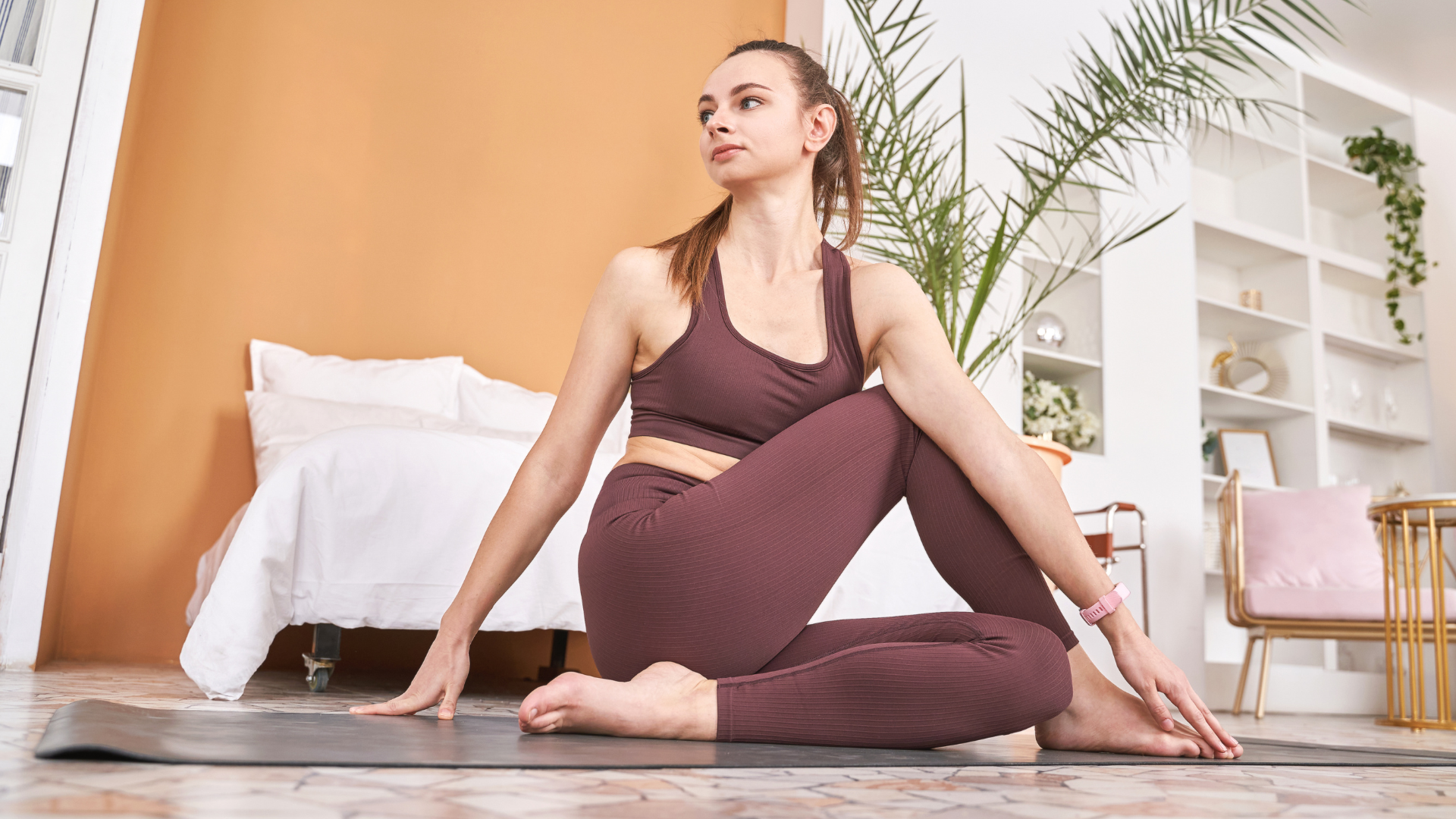
What separates yin yoga from other movement practices is the duration of each pose. Postures are held for anywhere between three and ten minutes, sometimes longer. This extended hold is not incidental. It is the precise mechanism through which the parasympathetic nervous system gets activated.
When the body holds a gentle, sustained stretch with no muscular effort required, several things happen simultaneously:
- Mechanoreceptors in the connective tissue send calming signals to the brain
- Breathing naturally slows and deepens, stimulating the vagus nerve
- Heart rate variability increases, which is a direct marker of parasympathetic tone
- Cortisol production begins to down-regulate
- The prefrontal cortex, responsible for rational thinking and emotional regulation, regains dominance over the amygdala
This cascade is not metaphorical. It is measurable on an electroencephalogram, in cortisol saliva tests, and in HRV monitors worn during practice. The long hold essentially forces the nervous system to shift gears.
The Vagus Nerve Connection
No discussion of parasympathetic activation is complete without addressing the vagus nerve. This cranial nerve is the primary communication highway between your brain and your major organs, including the heart, lungs, and gut. High vagal tone, meaning a well-functioning, responsive vagus nerve, is associated with better emotional resilience, lower inflammation, stronger immunity, and more stable mood.
Yin yoga stimulates vagal tone through several pathways:
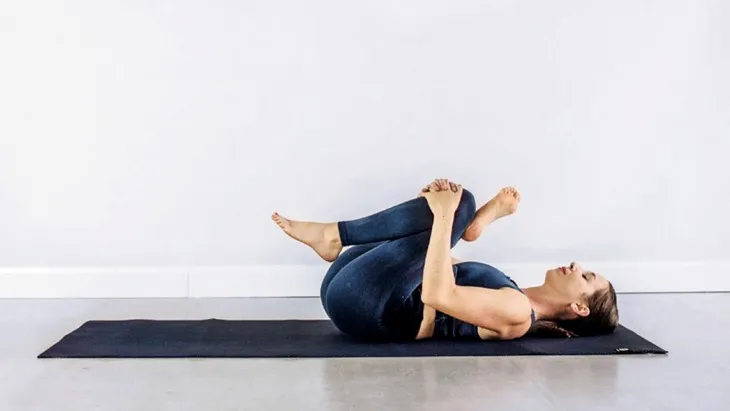
- Diaphragmatic breathing activated by supine and forward fold poses directly massages the vagus nerve
- Poses targeting the thoracic spine and posterior ribcage create mechanical pressure along vagal pathways
- The stillness and inward attention cultivated during yin practice activate the social engagement system governed by vagal branches in the face and throat
Research in psychophysiology has consistently shown that practices combining slow breathing with sustained physical stillness produce the most significant improvements in vagal tone. Yin yoga is uniquely positioned to deliver both simultaneously.
Cortisol, Inflammation and the Long Game
Cortisol is not inherently harmful. In short bursts, it helps you respond to challenges effectively. The damage comes from chronically elevated baseline cortisol, which is now endemic among urban professionals. When cortisol stays high:
- Inflammatory markers like interleukin-6 and C-reactive protein rise
- Insulin sensitivity decreases, increasing metabolic risk
- Sleep architecture is disrupted, reducing restorative deep sleep
- Memory and cognitive function decline measurably
Regular yin yoga practice has been shown in multiple studies to reduce salivary cortisol levels following sessions. More significantly, practitioners who maintain a consistent practice over eight to twelve weeks show lower baseline cortisol compared to control groups. This suggests the benefit is cumulative, not just immediate. The nervous system, over time, resets its default setting from high-alert to genuinely rested.
What Happens to the Brain During a Yin Hold
Neuroimaging studies of meditation and slow yoga practices reveal a consistent pattern: prolonged, relaxed stillness increases activity in the default mode network, the brain’s internal processing system responsible for self-reflection, emotional integration, and memory consolidation. At the same time, activity in stress-reactive regions like the amygdala decreases.
This is why many practitioners report that yin yoga brings up unexpected emotions. It is not a design flaw. When the nervous system finally relaxes its grip, unprocessed emotional material surfaces. This is actually a sign of parasympathetic dominance doing its job: creating the safety conditions under which the brain can finally process what it has been suppressing.
Yin Yoga as a Recovery Protocol, Not Just a Wellness Class
It is worth reframing how yin yoga is categorised. For many, it sits in the wellness class bucket alongside stretch sessions and meditation apps. But the physiological evidence positions it more accurately as a recovery protocol, comparable in significance to sleep hygiene interventions, breathwork therapy, and biofeedback training.
For individuals experiencing:
- Persistent fatigue despite adequate sleep
- Anxiety that does not respond to lifestyle changes
- Frequent illness due to suppressed immunity
- Digestive issues linked to stress
- Hormonal dysregulation connected to cortisol imbalance
A structured yin yoga practice addresses the root mechanism driving all of these symptoms: sympathetic dominance and parasympathetic deficit. No supplement or productivity hack touches the nervous system as directly or as sustainably.
Practical Considerations for Building a Consistent Practice
The nervous system responds to regularity. A single yin session produces measurable short-term effects, but the transformative reset happens through consistency. Practitioners who attend two to three sessions per week over eight weeks show the most significant neurological and hormonal changes.
Key factors that enhance parasympathetic activation during practice:
- Room temperature should be warm but not hot, as thermal comfort supports nervous system relaxation
- Props like bolsters, blankets, and blocks allow full muscular release without straining
- Eyes closed or downward gaze reduces visual stimulation and deepens inward focus
- Guided verbal cues that encourage breath awareness amplify vagal stimulation
Singapore’s climate and pace of life make consistent practice logistically challenging for many. Finding a studio that provides a genuinely restorative environment, with proper props, appropriate room conditions, and experienced guidance, matters more in yin yoga than in almost any other practice.
For those ready to experience what deliberate parasympathetic activation actually feels like, Yoga Edition offers structured yin yoga sessions designed around these precise physiological principles, in an environment built for genuine nervous system recovery.
FAQ
Q: How quickly can yin yoga reduce my cortisol levels? A: Research shows measurable cortisol reduction within a single 60-minute session. However, sustained baseline reduction takes consistent practice over six to twelve weeks.
Q: Is yin yoga safe if I have a diagnosed anxiety disorder? A: For most people with anxiety, yin yoga is highly beneficial because it directly targets the nervous system dysregulation underlying anxiety. That said, if you have trauma history, long holds in stillness can occasionally feel overwhelming. Working with an experienced teacher who understands trauma-informed yoga is advisable.
Q: Can yin yoga replace medication for stress-related conditions? A: Yin yoga is a powerful complementary protocol but should never replace medically prescribed treatment without consultation with your doctor. It works best alongside, not instead of, appropriate medical care.
Q: Why do I sometimes feel emotional or even tearful during yin yoga? A: This is a recognised physiological response. When the parasympathetic nervous system activates and the body feels safe, suppressed emotions held in the nervous system are released. It is a healthy sign of effective nervous system regulation, not a cause for concern.
Q: How does yin yoga differ from simply lying down and resting? A: Passive rest does reduce sympathetic activity, but it does not systematically stimulate the vagus nerve, activate mechanoreceptors in connective tissue, or produce the structured breath patterns that drive parasympathetic activation. Yin yoga creates specific physiological conditions that rest alone cannot replicate.