

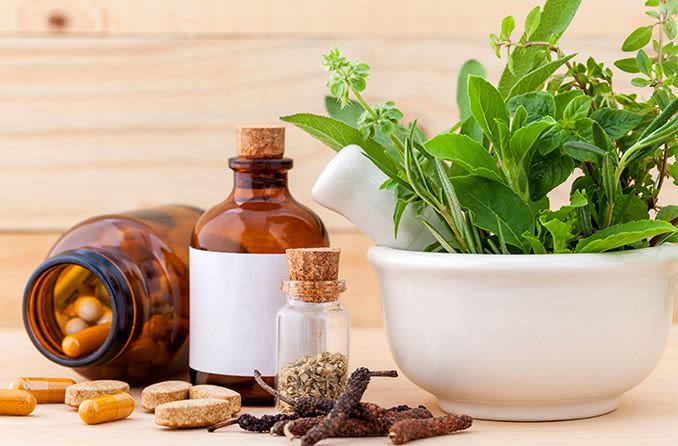
Migraines are far more than just severe headaches. They are complex neurological events characterized by throbbing pain, sensory sensitivity, nausea, and visual disturbances known as auras. For millions of chronic sufferers, the standard protocol involves prescription pharmaceuticals or over-the-counter pain relievers. While these options provide relief for many, they often bring unwanted side effects, such as rebound headaches, gastrointestinal distress, or sluggishness.
Consequently, a growing number of people are searching for natural treatment alternatives to manage their symptoms. By integrating evidence-based lifestyle changes, herbal remedies, nutritional supplements, and somatic therapies, you can reduce the frequency, duration, and intensity of migraine attacks naturally.
Essential Dietary Supplements for Neurological Protection
Deficiencies in specific vitamins and minerals can leave the brain more vulnerable to the cortical spreading depression that characterizes migraine attacks. Supplementing with targeted nutrients helps stabilize neural pathways and enhance mitochondrial energy production.
Magnesium Therapy
Magnesium plays a critical role in regulating neurotransmitter release and preventing blood vessel constriction in the brain. Clinical studies indicate that individuals who suffer from regular migraines often exhibit lower levels of systemic magnesium than those who do not. Introducing a daily supplement can significantly lower attack frequency. Magnesium glycinate and magnesium malate are highly recommended due to their superior bioavailability and gentle effect on the digestive tract.
Riboflavin (Vitamin B2)
Riboflavin is essential for optimal mitochondrial energy metabolism within brain cells. When the mitochondria lack sufficient energy, brain cells become hypersensitive to environmental and internal triggers. A daily intake of riboflavin has been shown to decrease the overall frequency of migraine attacks by providing the cellular energy needed to maintain neurological stability.
Coenzyme Q10 (CoQ10)
Similar to riboflavin, Coenzyme Q10 is a powerful antioxidant that acts directly within the mitochondria to protect cells from oxidative stress and inflammation. Regular supplementation helps damp down systemic inflammatory pathways, offering a protective shield against the vascular shifts that occur during the initial phases of an attack.
Herbal Remedies with Proven Efficacy
Plants have been used for centuries to treat chronic pain and inflammation. Modern research confirms that specific herbal extracts can target the same physiological mechanisms as some prescription preventatives.
Feverfew (Tanacetum parthenium)
Feverfew is a traditional medicinal herb well-regarded for its anti-inflammatory properties. The active compound in feverfew, called parthenolide, helps inhibit the release of blood-vessel-constricting chemicals like serotonin and prevents blood platelets from clumping together. Taking a standardized feverfew extract daily helps stabilize blood vessels, smoothing out the vascular fluctuations that spark intense throbbing pain.
Butterbur (Petasites hybridus)
Butterbur acts as a natural beta-blocker and calcium channel blocker, reducing spasms in cerebral blood vessels and calming overactive nerve endings. It is crucial to choose a butterbur supplement that is strictly certified as pyrrolizidine alkaloid-free. This certification ensures that toxic plant compounds have been completely removed, making it perfectly safe for long-term consumption.
Ginger Root (Zingiber officinale)
For acute relief during the onset of a migraine, ginger is incredibly potent. It contains active compounds called gingerols and shogaols, which possess strong anti-inflammatory properties that mimic the action of over-the-counter NSAIDs. Furthermore, ginger is highly effective at combating the intense nausea and delayed gastric emptying that frequently accompany moderate to severe migraine attacks.
Physical and Behavioral Interventions
Altering how the physical body responds to stress and sensory input can short-circuit a migraine before the pain escalates to a debilitating level.
Acupressure and Acupuncture
Acupuncture is an ancient practice involving the insertion of thin needles into specific meridian points on the body to stimulate endorphin release and regulate blood flow. For at-home management, acupressure can provide rapid relief. Applying firm, circular pressure to the LI4 point, located in the fleshy webbing between your thumb and index finger, helps alleviate pain in the head and neck during an acute episode.
Biofeedback and Stress Management
Stress is the most frequently reported trigger for migraine episodes. Biofeedback therapy teaches individuals how to consciously monitor and alter physical responses such as muscle tension, heart rate, and skin temperature. By pairing biofeedback training with deep diaphragmatic breathing, you can voluntarily calm an overstimulated sympathetic nervous system, preventing stress-induced vascular constriction.
Cold and Warm Compression
Altering local blood flow around the head and neck can dull the perception of pain. Applying a cold gel pack wrapped in a cloth to the forehead or the base of the skull constricts blood vessels and numbs the immediate area, blocking pain signals from reaching the brain. Conversely, placing a warm heating pad around the shoulders and neck can relax tight muscles that aggravate tension-type migraines.
Mitigating Environmental and Lifestyle Triggers
Natural prevention relies heavily on maintaining a predictable internal environment. Minimizing exposure to common external triggers creates a higher threshold against neurological overstimulation.
Establishing a Rigid Sleep Routine
The brain of a migraine sufferer thrives on absolute predictability. Irregular sleep habits, such as staying up late or oversleeping on weekends, disrupt circadian rhythms and frequently trigger what is known as a let-down migraine. Going to bed and waking up at the exact same time every day stabilizes neurological rhythms.
Identifying Dietary Sensitivities
Certain foods contain compounds that act as direct chemical triggers in the brain. Keeping a meticulous food and headache diary can help you spot hidden patterns. Common culprits include:
-
Aged cheeses containing high levels of tyramine
-
Processed meats treated with nitrates or nitrites
-
Artificial sweeteners such as aspartame
-
Fermented, pickled, or heavily marinated foods
Prioritizing Proper Hydration and Blood Sugar Balance
Even mild dehydration can trigger an immediate shift in intracranial fluid pressure, causing blood vessels to dilate and spark an attack. Sip water consistently throughout the day rather than drinking large amounts all at once. Additionally, skipping meals causes sudden drops in blood glucose levels, which stresses the central nervous system. Eating balanced meals containing fiber, lean protein, and healthy fats keeps your blood sugar stable and your brain protected.
Frequently Asked Questions
Can essential oils be used to stop an active migraine attack?
Peppermint and lavender essential oils are highly beneficial for managing early symptoms. Peppermint oil contains menthol, which creates a cooling sensation and helps stimulate local blood flow when diluted and applied to the temples and back of the neck. Lavender oil works primarily through inhalation, promoting relaxation and calming the central nervous system to help blunt the emotional stress of an oncoming attack.
Is it safe to combine herbal remedies like feverfew with prescription migraine medications?
You should always consult with a healthcare professional before mixing natural herbs with pharmaceutical prescriptions. Some herbs can interact with blood thinners, triptans, or daily preventative medications, potentially altering their effectiveness or causing adverse side effects.
How does caffeine impact migraines, and should I avoid it completely?
Caffeine is a double-edged sword for migraine sufferers. In acute situations, a small dose of caffeine can constrict dilated blood vessels and enhance the absorption of pain relievers, effectively stopping a mild attack. However, daily, excessive consumption of caffeine can create a chemical dependency, leading to severe rebound headaches when the substance clears your system. Moderation and consistency are key.
How long does it take for natural preventative supplements to start working?
Unlike pharmaceutical interventions that may act quickly, natural supplements such as magnesium, riboflavin, and feverfew require time to accumulate in your system and alter cellular function. Most individuals need to take these supplements consistently for six to twelve weeks before noticing a significant reduction in the frequency and severity of their attacks.
Can regular cardiovascular exercise help prevent migraines?
Yes, consistent, moderate aerobic exercise like brisk walking, cycling, or swimming can reduce migraine frequency over time. Exercise stimulates the body to release its own natural pain relievers, called endorphins, and helps lower overall stress levels. However, it is vital to avoid sudden, high-intensity exertion without a proper warmup, as sudden spikes in heart rate can actually trigger an attack in sensitive individuals.
What is the difference between a classic migraine and a common migraine?
A classic migraine involves an aura, which is a wave of temporary neurological symptoms that occurs roughly twenty to sixty minutes before the head pain begins. Auras typically manifest as visual blind spots, flashing lights, zigzag lines, or tingling sensations in the face and hands. A common migraine features the exact same severe, throbbing head pain, light sensitivity, and nausea, but occurs entirely without the warning phase of a visual or sensory aura.